Learning Hub
 Sign up to our newsletter

22 January 2026
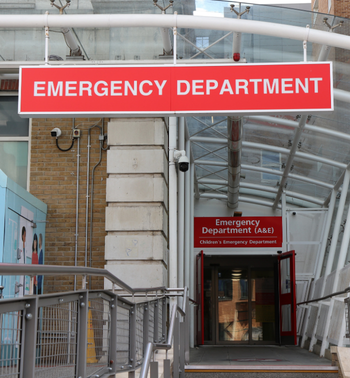
The KHP Mind & Body programme has supported a research project at King’s College Hospital NHS Foundation Trust, exploring the experiences of individuals attending the Trust’s emergency departments with mental health needs, alongside the perspectives of encompassing Accident & Emergency frontline staff.
Using patient data from March 2024 and interviews with staff and service users, the aim of the study was to understand why patients with mental health needs present to all emergency departments and identify opportunities for improvement.
King’s College Hospital NHS FT has one of the busiest emergency departments in the country, seeing on average 784 people in its emergency departments and walk-in centres every day. With figures from NHS trusts indicating mental health patients face significantly longer wait times than patients with physical health problems. Long waits are often exacerbated by waits for psychiatric beds and routine mental health services.
Challenges for patients presenting to Emergency Departments with mental health needs
Many of the emergency department attendances reviewed in this project involved younger adults, often in crisis. With most visits occurring outside of standard working hours, this highlighted a pattern of mental health crises emerging during periods when routine services are typically unavailable. The findings suggest a gap in out-of-hours provision could lead to emergency departments becoming a default point of entry for mental health care.
Data also revealed a small group of repeat attenders who accounted for a significant proportion of visits, underlining the need for more intensive, coordinated support.
In interviews for the project, service users described the A&E environment as busy and sometimes overwhelming but recognised staff were doing their best to deliver patient care. Staff interviews highlighted the increasing complexities and safety risks but echoed a strong commitment to improving patient care.
Report recommends better training and calmer spaces in A&E
Researchers and patients shared practical ideas for improvement, including:
- enhancing training for staff, with more education around de-escalation;
- increasing the number of therapeutic spaces;
- providing more support for carers;
- creating calmer, trauma-informed ED spaces;
- improving communication tools;
- developing out-of-hours alternatives such as crisis cafés and mobile teams; and
- strengthening data sharing across services to help reduce repeat attendances.
Despite system pressures, the findings of this project have revealed real opportunities for change. With collaboration and continued dedication, staff and service users sighted as an opportunity to make emergency departments more supportive and effective environments for patients experiencing a mental health crisis.
Jessie McCulloch, Programme Director, KHP Mind & Body programme, said:
“By supporting the delivery of mind and body care across different healthcare settings, we can change the experience for patients presenting to emergency departments with mental health needs. We hope these recommendations support national and regional system efforts for patients to access effective mind and body care, when and where they need it.”
The full report is available on the NHS Futures website, register for an account to access the KHP Mind & Body page.