Learning Hub
 Sign up to our newsletter

24 April 2026
What is your role?
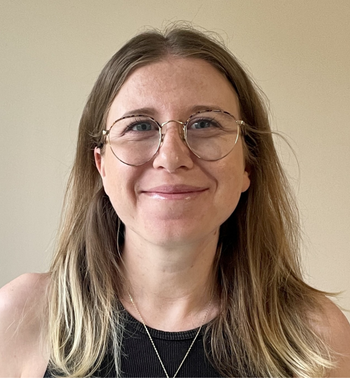
I am the new Programme Manager for the Pain: Equality of Care and Support in the Community (PEACS) programme. The PEACS programme was developed to improve chronic pain support through a bio‑psycho‑social, person‑centred approach. Designed in co‑production with local Black communities in Lambeth, PEACS responds to longstanding inequalities in chronic pain prevalence and access to effective support. Our programme is going to be focused on rolling out PEACS across Lambeth, before scaling and further testing the model at three national sites with significant health inequalities.
My first priority as I start this work is to listen, learn, and understand the landscape. There is a huge amount of knowledge and learning to be gained from the PEACS pilot to help me to understand what has worked well and where there are opportunities to build further. At the same time, the Neighbourhood Health agenda is developing very quickly, and it’s important that the PEACS programme is aligned with this wider direction of travel.
Can you tell us a bit about your career journey?
My background is in health psychology, which fits in very neatly with the KHP Mind and Body programme. I completed a master’s thesis on the links between emotions and health behaviours. Then I practised as a psychologist in Aotearoa New Zealand for seven years. I have worked clinically in both primary and secondary care - supporting people to manage their physical and mental health in cancer, cardiac, and transplant services.
While I really loved this work, when I moved to London in 2023, I was looking for a new challenge. I wanted a role where I could be involved in – and influence – the wider healthcare system. Before starting my new role, I was a project manager at the nearby Health Innovation Network South London. That role exposed me to a range of interesting pieces of work.
What inspired you to get into this work?
The programme felt like a perfect fit for my experience, interests, and values. As a clinician, I know how rewarding it can be to help people experiencing persistent pain. I saw it being under‑reported and for many people living with multiple long-term conditions it was often sitting beneath the surface.
People with pain frequently experience stigma, feel disbelieved, and develop a mistrust of the healthcare system. Many groups in society also “fall through the gaps” and do not have equitable access to appropriate care. The PEACS programme’s focus on health equity, co‑design with people with lived experience, prevention, and shifting care closer to the community really resonated with me as a project that can make a meaningful difference for people living with pain.
What is the benefit of working in partnership?
Partnership working is essential when you’re trying to address complex, deeply rooted health inequalities. No single organisation holds all the answers. By working in partnership with communities, clinicians, voluntary sector/community/faith/social enterprise organisations, and system leaders, we can design services that are more relevant, trusted, and effective. Co‑production with people with lived experience ensures that services reflect the real needs of communities rather than our assumptions.
What would be your career top tip?
Stay curious, there are genuinely no silly questions, and it’s so valuable to understand the perspectives of everyone in the room. As someone who is still (relatively) new to the NHS and its many complex workings, I’ve found that asking for clarity and taking the time to listen and learn consistently leads to better outcomes.
Read more about the PEACS programme and for any questions please contact mindandbody