Learning Hub
 Sign up to our newsletter

27 April 2026
The Vital 5 health programme has had a significant impact on the health and wellbeing of residents living in south east London.
Now it is attracting global interest.
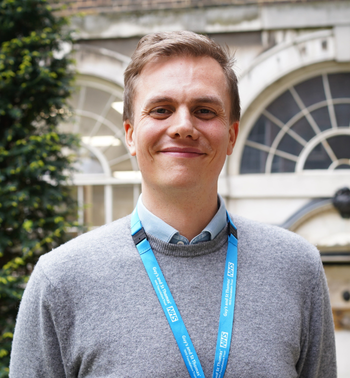
In this blog Michael Sanderson, project manager, shares everything you need to know about the Vital 5 and talks about early plans for the Vital 5 Checks to be licensed for broader use outside of London.
Can you introduce the Vital 5 concept and its background?
The Vital 5 are important, interconnected areas that help people stay healthy and well for longer:
- normal blood pressure;
- stopping smoking;
- drinking less;
- healthy mind; and
- healthy weight.
Residents – particularly those in the Core20PLUS5 population – are becoming unwell at a younger age and dying earlier from preventable and treatable illness. The Vital 5 Programme aims to tackle this by detecting the early warning signs of health problems and empowering residents to kick start a healthier lifestyle.
Prof John Moxham working in his previous capacity as King’s Health Partners (KHP) Director of Clinical Strategy, first conceived the concept of the Vital 5 in 2017, outlining the five key modifiable risk factors that drive ill health and early death.
Then, in 2022, KHP and the South East London Integrated Care Board (SEL ICB) established a population health and equity partnership programme. Supporting the delivery of targeted Vital 5 prevention initiatives to Core20Plus5 populations through the south east London Vital 5 programme. Part of the programme involved piloting a Vital 5 Check intervention across south east London, starting in May 2022. Since then, over 155,000 checks have been delivered.
What is a Vital 5 check?
A Vital 5 Check is a standardised prevention health and wellbeing check that helps residents learn about their Vital 5 and how to stay healthy for longer. It consists of five clinical screens and is guided by conversation prompts, informed by behaviour change theory and resident engagement. At the end, residents receive an overview of their Vital 5 measurements. The results give residents a good indication of their overall health, along with guidance on what they can do to improve it, and referrals to additional clinical support.
How have you worked with partners to rollout the Vital 5 check?
Following co-production with residents, practitioners, and clinical leads - Vital 5 Check models and support packages were developed, tested, and scaled iteratively, ensuring a consistent and adaptable service.
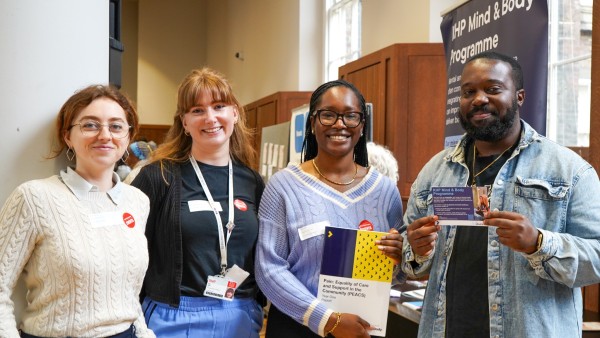
We currently work with a broad range of partners from across south East London, including community pharmacies, outreach teams, and community hubs across all six boroughs. A range of different staff groups deliver Vital 5 Checks, from both clinical and non-clinical backgrounds, including community ambassadors and champions.
How have Vital 5 checks helped local populations and addressed health inequalities in south east London?
The Vital 5 Check programme is identifying unmet health needs and engaging underserved populations, particularly in deprived areas. There is strong overall satisfaction from recipients, with most residents expressing positive behaviour change intentions and a willingness to recommend the service to others. Furthermore practitioners say they find the service to be valuable and supportive to residents.
Are there plans to expand the Vital 5 check beyond south east London?
Following interest from colleagues beyond south east London, we made the decision to work with the ICB and KHP to license Vital 5 Checks for broader use. As this process nears completion, we are working with partners both nationally and internationally to take the Vital 5 Check and culturally tailor it to their individual circumstances.
How would expansion benefit patients and communities in south east London?
By scaling the intervention we can create more opportunities to collect and analyse targeted data, building a stronger evidence base. This could create a reinforcing cycle of growth and insight at a scale that is not possible to achieve within a single geography and workforce. This means learning from applying Vital 5 Checks in other places is fed back into south east London, making the Vital 5 Checks as effective and impactful for residents as possible.