Learning Hub
 Sign up to our newsletter

27 May 2026
Patient recruitment is commencing this month for Ascelus-H, a research study evaluating a digital follow-up pathway for people living with long-term, stable haematological conditions. For the start of the study, researchers will focus on monoclonal gammopathy of undetermined significance (MGUS) and chronic lymphocytic leukaemia (CLL).
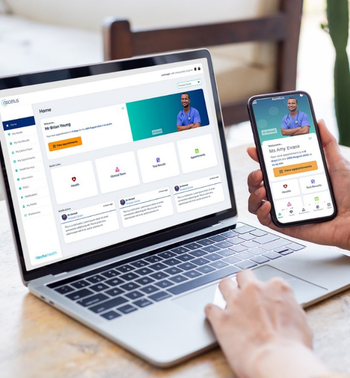
Ascelus-H will explore whether routine follow-up and symptom surveillance can be safely and effectively supported through the Ascelus platform - a patient-facing digital health application designed and provided by Itecho Health.
The aim of the Ascelus platform
The Ascelus app lets patients manage appointments, view blood test results, and report new or worsening symptoms. Information submitted via the app is then reviewed by clinicians, allowing timely clinical oversight and potentially reducing the need for frequent in-person visits.
The purpose of the Ascelus-H study
For individuals with stable conditions where monitoring is essential, but disease progression is rare or slow, traditional follow-up pathways can place significant demands on patients and services. The Ascelus-H study seeks to assess whether a digital model can streamline monitoring while maintaining clinical safety. This work aims to support a more personalised and flexible approach to care.
The study will collect data on patient safety, the patient and clinician experience, and assess how healthcare resources are used, allocated, and managed from an economic perspective - contributing to a growing evidence base around digitally enabled follow-up in haematology. If successful, Ascelus-H may help inform future service models for the long-term management of stable blood conditions.
The Ascelus-H study is sponsored by King’s College Hospital NHS Foundation Trust (FT) and involves a process of co-creation with patients, carers, and clinicians. It has been funded by an NIHR i4i grant.
Jacken Waters, Ascelus research project administrator said:
The Ascelus app could be a game-changer for patients with conditions like MGUS and CLL. Digital follow-up pathways like this will hopefully streamline oversight of these kinds of long-term stable conditions, making life easier for both patients and clinicians while maintaining a steady line of communication between them.
More information about the Ascelus platform and its functionality is available via the Ascelus website.